
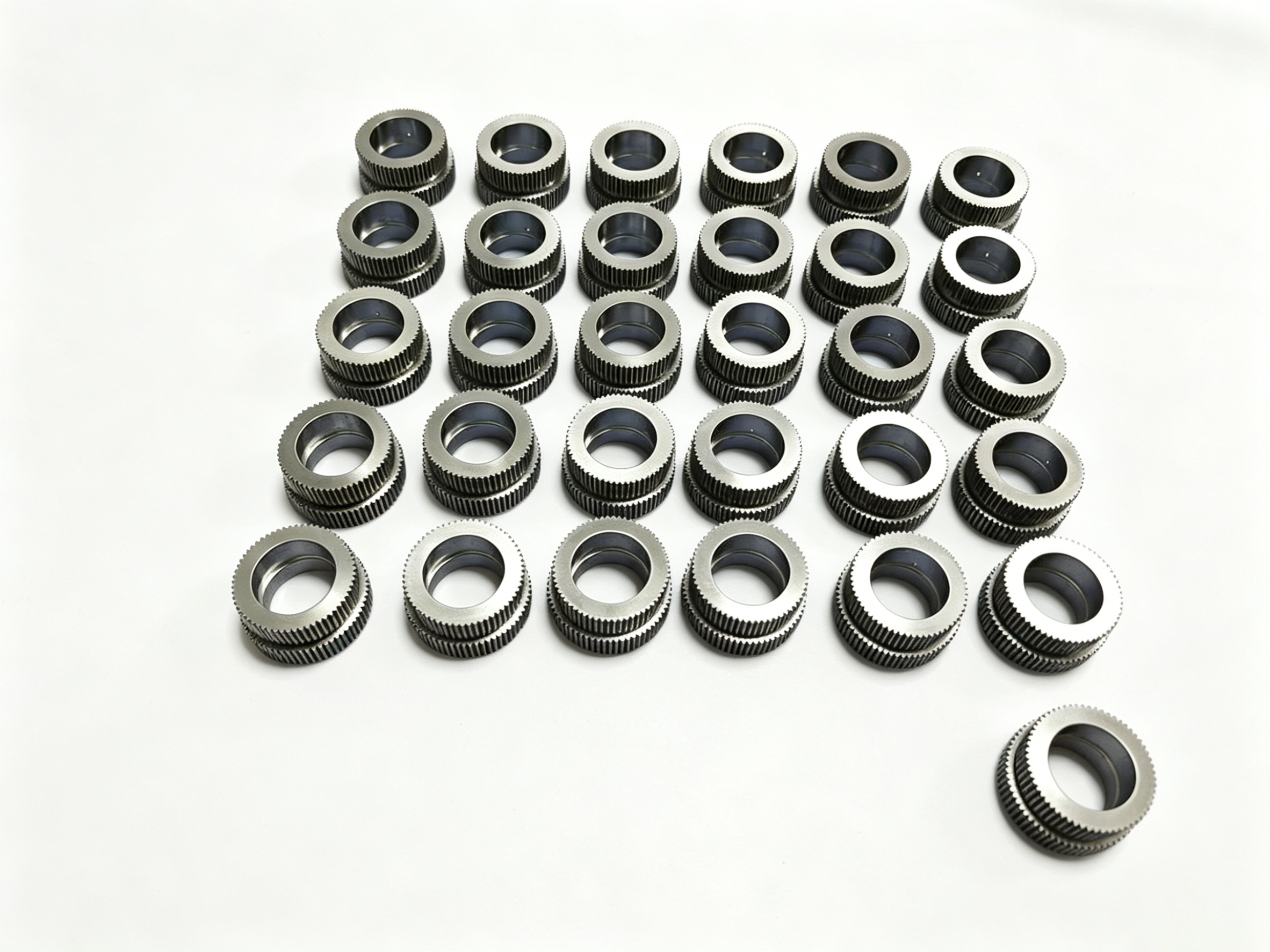
This project is a batch processing order for aluminum alloy power battery trays for domestic leading new energy vehicle enterprises. The workpieces are core load-bearing components of the new energy vehicle's three-electricity system, serving multiple functions such as battery pack fixation, heat dissipation, protection, and vehicle weight reduction. The workpieces are made of 6061-T6 aviation-grade aluminum alloy, with large overall dimensions. The structure includes flat surfaces, stepped slots, dense mounting holes, sealing slots, side irregular contours, and multiple heat dissipation flow channels, making them large-scale thin-walled precision structural components.
The customer has specified the technical requirements as follows: the overall flatness of the workpiece must be ≤0.003mm, the positional tolerance of key hole locations must be ±0.01mm, the surface roughness (Ra) must be ≤0.8μm, and there must be no burrs, deformations, or machining scratches. The product must comply with the automotive industry's IATF 16949 quality standard, with a monthly average production capacity requirement of 50,000 units. The delivery cycle should be short, the batch size should be large, and the dimensional consistency across the entire batch must meet the standard.
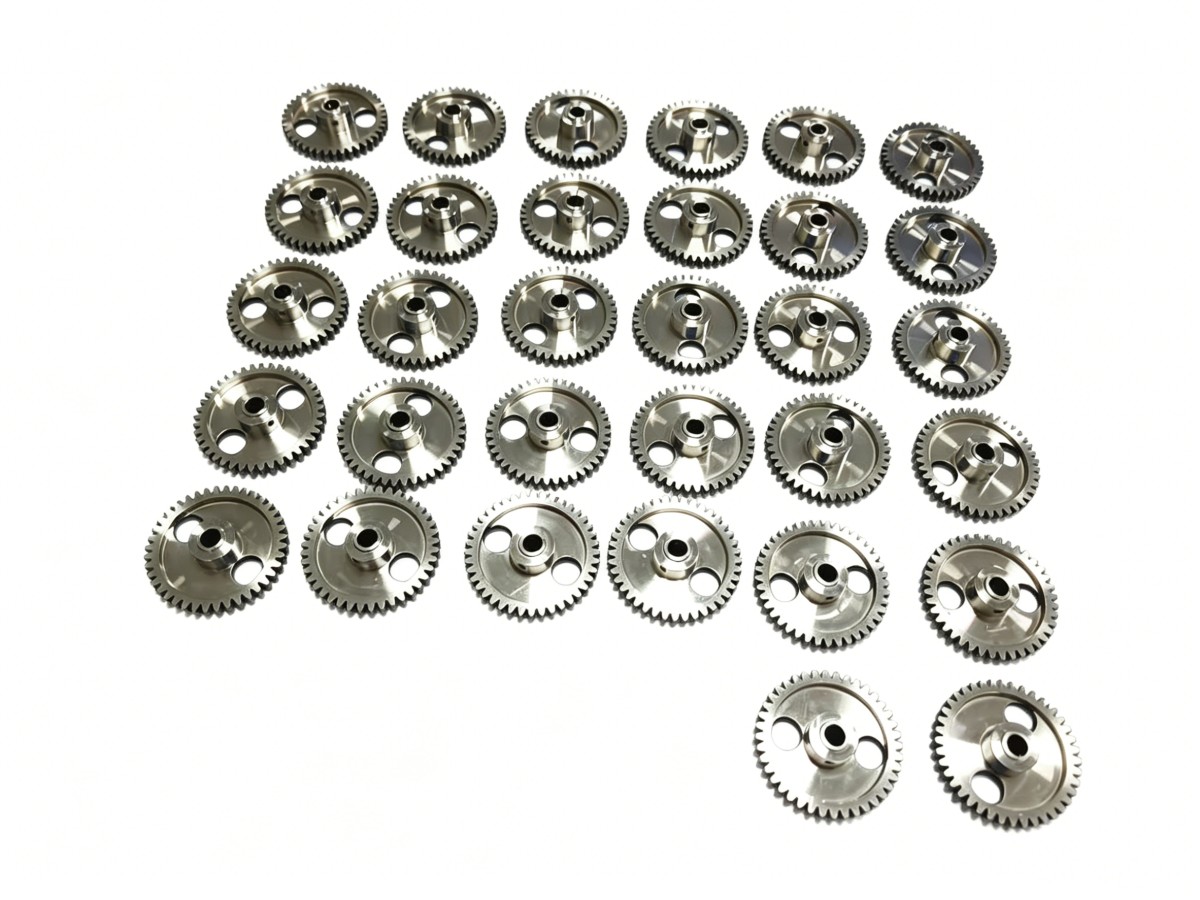
The traditional three-axis machine tool's multi-process machining mode has obvious shortcomings: the workpiece requires multiple disassembly, assembly, and transfer processes, leading to large positioning errors. Thin-walled areas are prone to extrusion and cutting deformation, and the multi-process circulation also results in low production efficiency and accumulation of work-in-process products, completely unable to meet the demand for large-scale, high-precision supply. Therefore, we have adopted an integrated solution of a five-axis CNC machining center and automated production line, combined with customized tooling, optimized cutting processes, and a full-process quality control system, to complete the project and achieve mass production.
II. Analysis of project difficulties
Thin-walled structures are prone to deformation: The pallet has a large area with a wall thickness of only 3–5mm. Made of aluminum alloy, which has low hardness and high toughness, it is highly susceptible to warping and sagging during the cutting process due to the effects of cutting force, clamping force, and temperature, directly affecting its flatness and assembly accuracy.
Complex processes and numerous features: The workpiece integrates milling, slotting, drilling, tapping, contour milling, and runner processing. Traditional equipment requires the disassembly of more than 6 processes, and repeated clamping leads to cumulative errors.
High batch consistency requirements: With a monthly production of 50,000 sets, it demands that the dimensional deviation of thousands of products be controlled at the micron level, posing stringent challenges to equipment stability, process parameters, and tool life.
Strict surface quality control: The battery compartment is a sealed structure, and any surface scratches, burrs, or aluminum debris residue can cause sealing failure. Secondary manual polishing is not allowed after processing.
III. Overall Processing Plan and Process Implementation
(I) Equipment and production line configuration
The entire production line of the project is equipped with high-performance five-axis CNC machining centers, paired with a constant temperature workshop environment that maintains temperature fluctuations within ±0.5℃, effectively eliminating the impact of thermal deformation on accuracy. The entire line is supported by automatic loading and unloading robots, material conveyor lines, and online inspection units, establishing a 24-hour unattended automated processing unit to reduce errors and efficiency losses caused by human intervention. Additionally, it is integrated with the MES production management system, which monitors equipment operating status, processing quantity, process parameters, and abnormal alarms in real time, enabling visualized traceability of production data.
(II) Design of specialized tooling fixtures
Addressing the issue of thin-walled workpieces being prone to deformation, we have abandoned the traditional single-point clamping method and customized a combination of vacuum adsorption and multi-point auxiliary support tooling. By utilizing vacuum suction cups to adsorb the workpiece's reference surface over a large area, we ensure uniform force distribution. Additionally, elastic auxiliary supports are added to the suspended thin-walled areas to disperse cutting vibration and pressure, thereby suppressing workpiece deformation from the source of clamping. The fixture completes all process machining in one positioning, eliminating the need for secondary disassembly throughout the process, and completely solving the positioning deviation issues caused by multiple clamping.
(III) Cutting process and tool optimization
The process route is planned in four steps: rough machining, stress relief, semi-finishing, and finishing. Rough machining prioritizes the rapid removal of large allowances, leaving a uniform machining allowance. Subsequently, stress relief aging treatment is performed to release the internal stress of the material and avoid deformation during subsequent machining. Semi-finishing further adjusts the contour and unifies the finishing allowance.
The tool selection includes ultra-fine grain carbide milling cutters dedicated for aluminum alloy, paired with high-pressure air cooling and a micro-lubrication system to prevent aluminum chips from sticking to the tool and causing surface damage. For dense small holes and threads, specialized drilling and milling combination tools are used, optimizing spindle speed and feed parameters to reduce cutting resistance. Complex cooling channels and irregular contours leverage the advantages of five-axis linkage, achieving one-time molding with continuous tool path. The tool path undergoes interference checking in advance using simulation software to ensure processing safety and contour accuracy.
(IV) Quality control throughout the entire process
Establish a three-tier quality inspection system consisting of "initial full inspection, process inspection, and final full inspection". After the completion of the initial piece, use a three-coordinate measuring machine, dial gauge, and roughness tester to inspect all dimensions, form and position tolerances, and surface quality item by item. Batch production can only proceed after confirming that the parameters are correct. During the production process, sample inspection of tool wear and workpiece dimensions is conducted every 2 hours to promptly compensate for tool path deviations. After the finished products are off the production line, they are automatically screened by online inspection equipment, and non-conforming products are automatically sorted and isolated. All inspection data, equipment parameters, and operator information are uniformly archived to meet the quality traceability requirements of automobile companies.
IV. Project Achievements and Benefits
After the project was officially put into operation, all indicators exceeded customer expectations. In terms of processing efficiency, the overall processing time per piece was reduced from 90 minutes in traditional multi-process to 35 minutes, with a production efficiency increase of over 150%. A single automated production line can stably achieve an average daily production capacity of more than 1,700 pieces, easily meeting the order target of 50,000 pieces per month.
In terms of precision and quality, the flatness of the workpiece is stably controlled within 0.002mm, and the positional accuracy of hole locations and overall dimensions meet the tolerance requirement of ±0.01mm. The overall product qualification rate reaches 99.8%, with zero issues of seal failure or deformation. The automated production line has significantly reduced on-site operating personnel, resulting in a 70% reduction in labor costs. The inventory of work-in-process in the workshop has decreased by 65%, and the delivery cycle has been shortened by half.
As of now, the production line has been operating stably for two years, consistently supplying products in bulk to customers, and successfully passing multiple rounds of system audits and on-site factory inspections. This solution, featuring "five-axis CNC + automation + customized process", perfectly addresses the challenges of high-volume, high-precision machining of large aluminum alloy thin-walled structural components. It not only provides a reproducible engineering template for the machining of new energy vehicle battery tray products, but also fully demonstrates the core value of high-end CNC machining technology in the new energy vehicle industry chain, laying a solid foundation for future cooperation on similar precision component projects.
Related Posts
Online Message
Thank you very much for writing to us. Please leave your message and contact information, we will reply to you within 24 hours.