
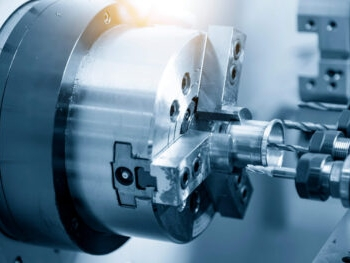
In 2026, CNC (Computer Numerical Control) machining technology is undergoing comprehensive and profound transformations. With AI deep integration, precision breakthroughs, and expanded application scenarios as its core characteristics, it has become the core engine driving the digitalization, intelligence, and high-end transformation of the manufacturing industry. From precision structural components in aerospace to lightweight components in new energy vehicles, from implants in medical devices to exterior parts in consumer electronics, CNC machining continues to empower the real economy with its advantages such as micron-level precision, flexible production, and multi-material adaptability. It helps China's manufacturing industry make a leap from capacity output to technology output in the global supply chain.
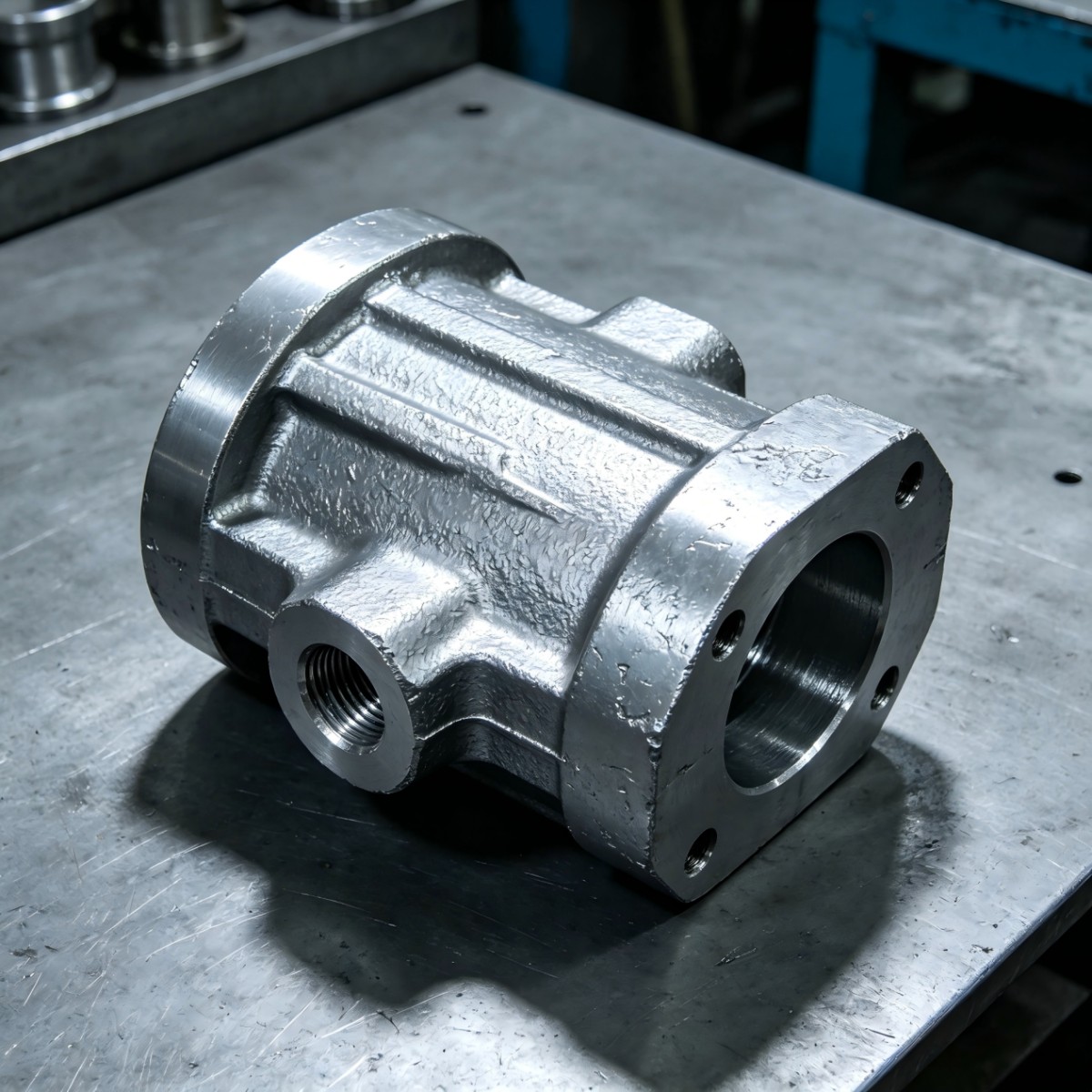
The core value of CNC machining lies in its high precision, efficiency, and consistency. By controlling the movement of machine tools through digital programs, it can complete complex machining processes such as turning, milling, and grinding, achieving stable precision of ±0.005mm or even nanometer level, far surpassing the limits of traditional manual machining. In 2026, with the large-scale implementation of AI technology, CNC machining is transitioning from "automation" to "intelligence", fundamentally changing traditional machining modes. AI algorithms can dynamically optimize machining parameters and automatically compensate for workpiece deformation through real-time data collection from multiple sensors, such as spindle vibration, cutting load, and workpiece temperature, significantly enhancing machining stability and tool life. For example, in the machining of titanium alloy parts, the AI adaptive system can increase tool life by more than 30% and control the scrap rate below 1%. At the same time, the AI automatic programming system can compress process design time from hours to minutes, reducing dependence on experienced programmers and alleviating the talent shortage pain point in the industry.
Precision and compounding are the core breakthrough directions for CNC machining technology in 2026. In terms of precision, ultra-precision CNC equipment has achieved sub-micron level machining. The Fanuc ROBONANOα-0iB machine tool from Japan can achieve a repeatability accuracy of 0.08μm in a temperature-controlled ±0.1℃ environment, meeting the needs of ultra-precision scenarios such as lithography machine parts and wafer cutting. In terms of compound machining, technologies such as turning-milling compounding, laser-cutting compounding, and additive-subtractive compounding are rapidly maturing. The Mazak INTEGREX i-500 machine tool can achieve integrated machining of "cutting + 3D printing", reducing process switching time by 30% in mold manufacturing. Five-axis linkage technology continues to gain popularity, having penetrated from exclusive applications in aerospace to mid-range fields such as automotive, mold, and medical devices. It can efficiently process parts such as turbine blades and complex curved surfaces that are difficult to achieve with traditional processes.
The three major fields of new energy vehicles, aerospace, and medical devices have become the core growth areas for CNC machining. The new energy vehicle industry accounts for 33%-38% of global CNC machining demand, making it the largest single application field. Lightweight components such as battery trays, motor housings, and chassis structural parts widely adopt 6061/7075 aluminum alloy materials, which require five-axis CNC machining to achieve complex structural integration, balancing lightweight, high strength, and heat dissipation performance. The aerospace industry has extremely stringent requirements for precision and reliability. Titanium alloy and high-temperature alloy engine blades, landing gear components, fuselage frames, etc., require five-axis CNC machining to ensure surface precision of ±0.001mm and surface finish of Ra≤0.4μm. The medical device field focuses on high cleanliness and biocompatibility. Pure titanium, medical stainless steel, PEEK material dental implants, hip joint ball heads, surgical instruments, etc., require CNC machining to achieve burr-free, high surface finish (Ra<0.2μm), and meet sterile packaging requirements.
Green transformation has become an essential issue for the CNC machining industry. Driven by both the "dual carbon" policy and customer demands, energy consumption control, waste reduction, and low-carbon processes have become core competitiveness for enterprises. By 2026, green technologies such as dry cutting, minimal quantity lubrication, regenerative braking, and energy-saving motors will be widely applied, reducing energy consumption by 15%-30% and cutting down on consumables like coolant. Simultaneously, the material recycling rate will continue to increase, with aluminum alloy and stainless steel scraps achieving 100% recycling and reprocessing, aiding enterprises in cost reduction and adhering to the concept of sustainable development. An increasing number of international customers are incorporating carbon footprint reports into their supplier assessment systems, urging CNC machining enterprises to build a green supply chain and achieve a win-win situation for both economic and ecological benefits.
Currently, China's CNC machining industry has formed a development pattern of "breaking through at the high-end, popularizing at the mid-range, and upgrading at the low-end". However, it still faces challenges such as tackling core technologies of high-end CNC systems, a shortage of composite talents, and lagging intelligent transformation of small and medium-sized enterprises. In the future, with the deep integration of technologies such as AI, the Internet of Things, and digital twins with CNC machining, machining efficiency will further increase by more than 50%, production costs will continue to decline, and application scenarios will expand to frontier fields such as semiconductors, space manufacturing, and bio-manufacturing. Chinese CNC machining enterprises need to continue to increase R&D investment, break through core technology bottlenecks, strengthen collaborative innovation between industry, academia, and research, cultivate high-quality skilled talents, and promote the industry towards intelligence, greenification, and high-end development, providing solid support for the construction of a manufacturing powerhouse.
Related Posts
Online Message
Thank you very much for writing to us. Please leave your message and contact information, we will reply to you within 24 hours.